


BitCap
News • Business • Investing & Finance
Independent minds • Unusual ideas
? Economics | ? Investing | ? Crypto
? Macro research on Japan & Asia
Building financial freedom—not followers.

Think for yourself. Invest accordingly.
Interested? Want to learn more about the community?

Learn more first
February 12, 2026
トリプルレゾナンス:ビットコインの究極の周期的底モデル

トリプルレゾナンス:ビットコインの究極の周期的底モデル

本日は、マクロ経済の変化、マイニング経済、そしてオンチェーンデータの収束を評価することで、ビットコインの潜在的な周期的底値を検証します。

過去のパターンは大幅な価格下落が一般的であることを示唆していますが、スポットETFの導入と機関投資家の参加により、完全な崩壊を回避できる新たな市場構造が形成されています。

私たちは、200週移動平均線などのテクニカル指標が主流のマイニング機器の稼働停止価格と一致する、52,000ドルから58,000ドルの間に重要なサポートゾーンを特定しました。

さらに、本レポートでは、連邦準備制度理事会(FRB)の流動性政策と、パニックに陥った個人投機家から長期保有者への資産の移行が、市場の投げ売りの最終段階を示唆していることを強調しています。

最終的に、本記事は、算出された物理的および心理的な価格下限に基づく段階的蓄積手法を用いて、投資家がこのボラティリティを乗り切るための戦略的フレームワークを提供します。

記事全文はこちら

https://locals.com/bitcap/feed?post=7685116

トリプルレゾナンス:ビットコインの究極の周期的底モデル
Interested? Want to learn more about the community?

Learn more first
What else you may like…
Videos
Podcasts
Posts
Articles
Live chatted 01/13/2026
January 13, 2026
China Eco Video Intro

中国のマクロ経済
マクロ経済を理解し、市場全体の動向を把握できるようお手伝いします。

00:00:06
January 03, 2026
BitCap Video Intro

it is a bitcap video introduction
We hope you will enjoy it. 😊

00:00:18
February 13, 2026
微妙なバランス:2026年の米国インフレとFRBの見通し

本レポートは、2026年初頭の米国経済情勢を分析、特に年間インフレ率の鈍化傾向を示す消費者物価指数(CPI)に焦点を当てています。総合物価指数とコア物価指数は数年ぶりの低水準に達しましたが、データは、商品価格の低下がサービス部門の持続的な価格上昇によって相殺されるという複雑な状況を示しています。

この対照的な状況と堅調な労働市場が相まって、FRBは金利調整に関して慎重な「様子見」姿勢を維持しています。金融専門家は、経済は「ソフトランディング」に向かっているものの、FRBが利下げを実施するのは年内以降になる可能性が高いと示唆しています。結局のところ、この情報源は、インフレ率の鈍化が将来の緩和を支えつつも、経済の回復力が刺激策の緊急性を阻んでいるという、脆弱な均衡状態を浮き彫りにしています。

記事全文はこちら
https://locals.com/bitcap/feed?post=7687815

微妙なバランス:2026年の米国インフレとFRBの見通し
February 10, 2026
軌道上のフロンティア:宇宙ベースAIコンピューティングの競争

イーロン・マスクは、SpaceXとxAIを統合し、軌道上データセンターを建設する計画を立てています。Starshipを大規模打ち上げに活用することで、無限の太陽エネルギーを利用し、地球の電力と冷却の限界を突破することを目指しています。この宇宙ベースAI戦略は、惑星規模のAGI実現を目指しています。

記事全文を読む
https://locals.com/bitcap/feed?post=7679319

軌道上のフロンティア:宇宙ベースAIコンピューティングの競争
February 09, 2026
2026年の暗号資産:予測と現実

2026年初頭、仮想通貨市場はマクロ経済の逆風、FRBのタカ派的な政策、そして規制改革により、急激な調整局面を迎えました。ビットコインのボラティリティは急上昇しましたが、アナリストは機関投資家によるETFへの資金流入と長期的な資金枯渇により、市場の底入れは近いと示唆しています。

2026年の暗号資産:予測と現実
February 07, 2026
金融および株式取引におけるAI

AIは、アルゴリズム取引、リスク管理、不正検知を通じて金融に変革をもたらしています。Trade IdeasやTickeronといったプラットフォームは戦略を自動化し、MSPは導入を支援します。アルゴリズムのバイアスや規制リスクがあるにもかかわらず、AIは予測精度を向上させます。

金融・株式取引におけるAI.pdf
February 07, 2026
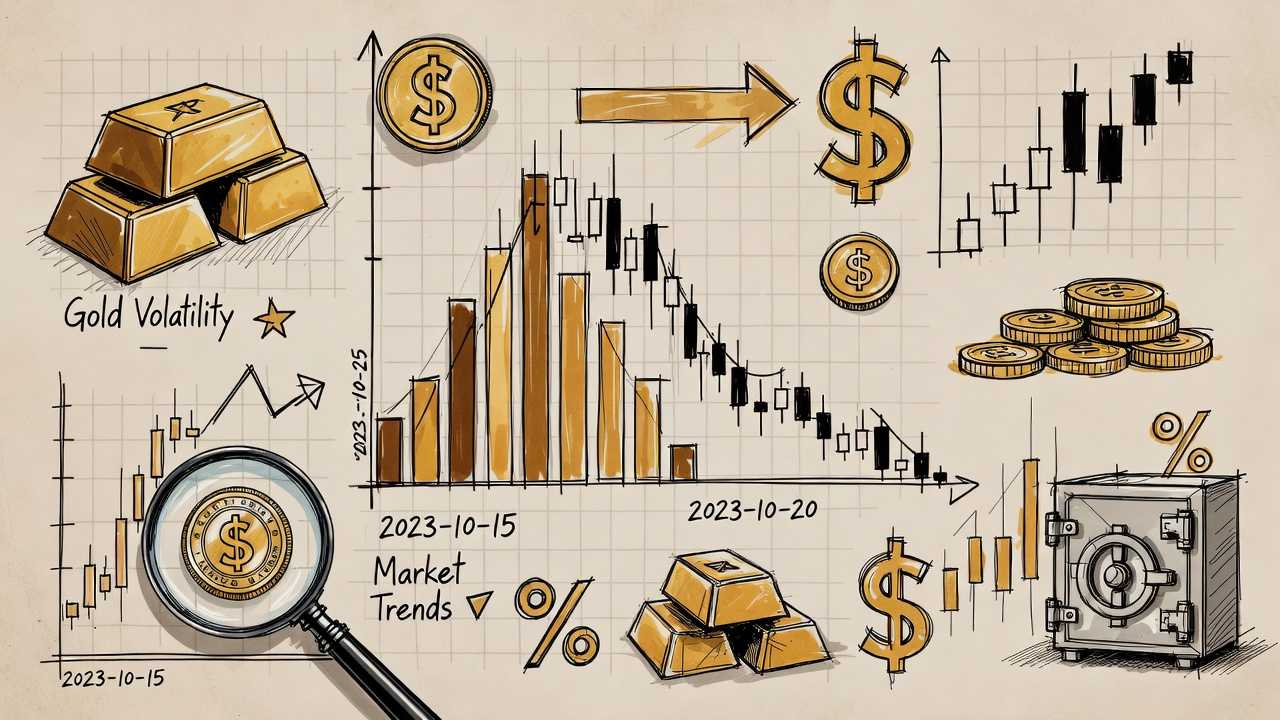
金のボラティリティについて

金の大幅なボラティリティは単なる「短期的なノイズ」であり、金の長期的な上昇トレンドに対する市場の信頼は依然として強い。

金は大きな変動を経験しているが、市場は長期的な上昇トレンドの基本的な要因に対する強い信頼を維持している。

現在のボラティリティは単なる短期的なノイズである。

金価格は今後数週間以内に再び5,000ドルを突破し、第2四半期には数十年ぶりの高値である5,600ドルを再び試すと予想されている。

市場の統合は健全であり、特に力強い反発の後はなおさらであり、テクニカルな見通しは依然として明るい。好ましい追い風は持続しており、米ドルは現在堅調であるものの、今後数ヶ月間の利下げはドルを弱めるか、少なくともそれ以上の上昇を抑制するだろう。

金価格は短期的には1オンスあたり5,000ドルを下回る水準にとどまる可能性があるものの、年末までに6,000ドルまで上昇する可能性があると指摘した。市場の強気な勢いはまだ尽きていません。

しかしながら、投資家はより洞察力と慎重さを増しており、今後の上昇は調整を伴い、純粋なモメンタムや投機ではなく、ファンダメンタルズに左右される可能性があります。

貴金属市場は現在、トレンド反転というよりは、リポジショニングの局面にあります。

post photo preview
January 09, 2026
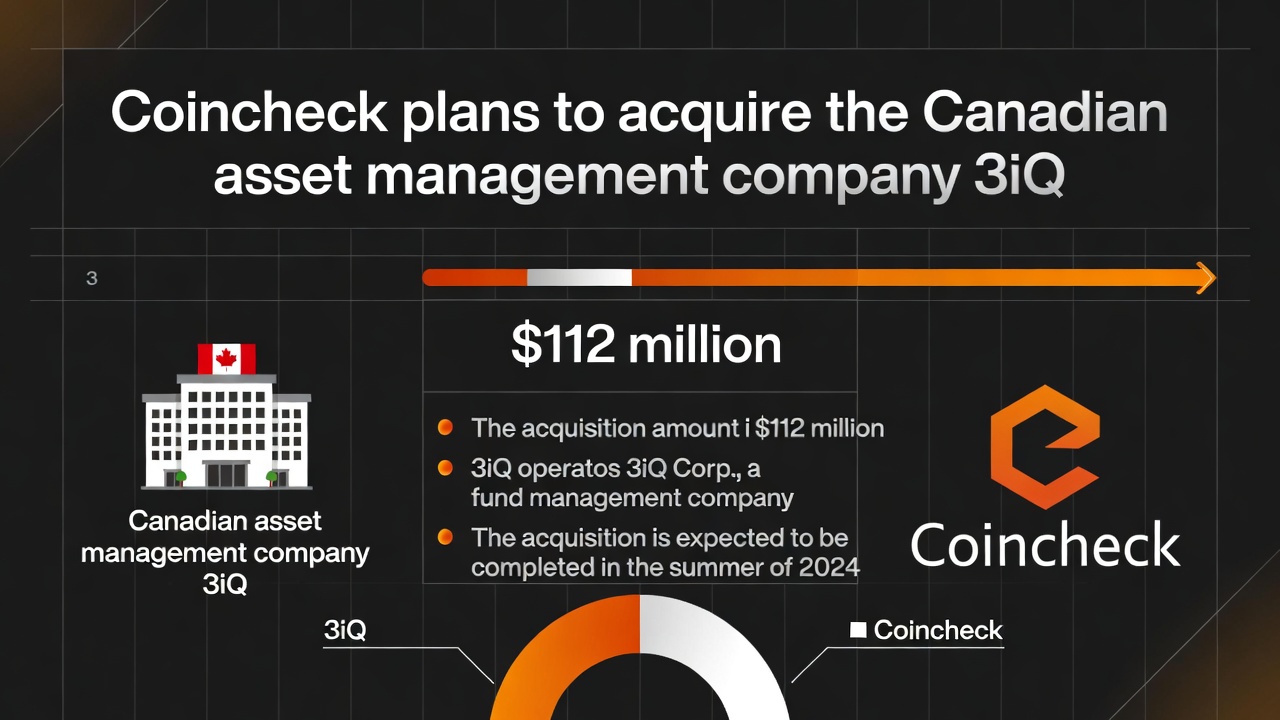
コインチェックは、カナダの資産運用会社3iQを約1億1,200万ドルで買収する計画です。

ナスダック上場の日本の暗号資産取引プラットフォームであるコインチェックは、カナダのデジタル資産運用会社3iQの株式の約97%をマネックスグループが取得する契約を締結したと発表しました。契約によると、3iQの企業価値は1億1,200万ドルに設定され、コインチェックグループの普通株式は1株あたり4.00ドルです。マネックスが保有する3iQの持株会社の発行済み株式(3iQの実質的所有権の約97%に相当)はすべて、コインチェックグループの新規発行普通株式2,714万9,684株と交換されます。

本契約では、署名から完了までの間、Coincheck Groupは3iQの少数株主に対し、Coincheck Group普通株式を最大810,435株発行し、同額または実質的に同等の買収対価を支払うことも規定されています。これにより、Coincheck Groupは3iQの実質的所有権の100%を保有できるようになります。

2012年に設立された3iQは、北米のトロント証券取引所に上場した最初のビットコインおよびイーサリアムファンドのいくつかを立ち上げ、2025年にはSolanaステーキングETFとXRPスポットETFを導入しました。

post photo preview
March 10, 2026
post photo preview
Structural Repair: How Ethereum’s Internal Auction is Defying Macro Volatility

1. Introduction: The Market That Refused to Break

Global financial markets are currently navigating a significant "risk-off" shock. Driven by surging oil prices and a sharp retreat in equity futures, traditional risk assets have faced intense pressure as liquidity seeks safer harbors. While macro volatility typically triggers a rapid exit from the crypto sector, Ethereum’s internal auction is telling a different story—one of structural absorption rather than panic.

Instead of leading the decline, Ethereum has displayed a remarkable "bend but don't break" mentality. Crucially, ETH is now defending the $2,000 level not just as a psychological round number, but as a reclaimed structural level. This stability in the face of macro chaos suggests that the market is prioritizing internal value building over external noise.

The shift we are witnessing is fundamental: internal market pressure has moved from sell-dominant to buy-dominant. This transition signals a disciplined recovery where price action is supported by the methodical rebuilding of value, rather than a fleeting, emotional bounce.

2. The "Invisible Staircase" of Fair Value

A primary indicator of Ethereum’s improving health is the steady migration of the Point of Control (POC)—the price level where the most trading activity occurs. This migration represents an "invisible staircase," where fair value is reclaimed step-by-step.

The recovery began after earlier weakness pushed the floor as low as $1,935. Since then, the market has methodically established "higher-price acceptance," showing that participants are increasingly comfortable transacting at levels that were recently rejected. This sequence shows a clear, structural progression:

$1,935 → $1,975 → $1,995 → $2,025 → $2,035 → $2,045 → $2,055 → $2,065 → $2,085 (Current)

When the POC moves up in this fashion, it confirms that bearish control is fading. It is a sign that the market is no longer just "bouncing" off lows, but is actually shifting its center of gravity higher.

3. When Selling Pressure Loses its "Quality": The $1,975 Absorption Zone

One of the most significant technical shifts occurred near the $1,975 zone. This area was subjected to heavy sell-side activity, yet the price failed to break down. This phenomenon, known as Absorption, occurs when aggressive market sellers are neutralized by Passive Buyers—large-scale participants providing limit-order liquidity to catch the falling knife.

Analyst Note: "This kind of behavior suggests the downside auction became less efficient. Aggressive sellers were met by passive buyers willing to take the other side in bulk, indicating that the bears have exhausted their immediate ammunition."

This loss of "quality" in the selling pressure is more significant than a price rally. In a healthy market, a transition from aggressive selling to passive limit-order dominance often precedes a trend reversal. It proves that the "floor" is not just a line on a chart, but a wall of capital.

4. The Nuance of the +3.5 Score: Repair Over Euphoria

While the outlook is constructive, a sophisticated investor must distinguish between a "repair phase" and a "runaway trend." The current Bias Score of +3.5 bullish reflects a market with a clear edge, but one that still lacks high-conviction domination.

There are two primary reasons why this score isn't a "6" or a "7":

  • Lack of Upside Efficiency: In market terms, "efficiency" refers to the ease with which price moves relative to volume. Currently, the move is "grindy"—volume has picked up, but the Net Delta (the difference between buying and selling volume) remains modest. We are seeing acceptance of higher prices, but not yet a one-sided buyer blitz.
  • The CVD Reset: The Session CVD (Cumulative Volume Delta) appears to be resetting across separate trading sessions. For a high-conviction score, we would need to see a single, uninterrupted bullish reversal from negative extremes. Because the delta is resetting, we must be careful not to overstate the current trend's momentum.

5. The Line in the Sand: Critical Levels to Watch

The next phase of Ethereum’s recovery depends on whether the current Point of Control holds at higher levels or begins to slip. Investors should focus on the following levels to dictate their next move:

The Bullish Path

  • $2,085: The current POC and vital immediate reference point.
  • $2,110: The first major checkpoint to confirm the move has momentum.
  • $2,125 – $2,135: The primary Structural Resistance area that must be cleared for a true breakout.

The Warning Signs

  • $2,055 – $2,065: The key support band for the 4-hour recovery.
  • $1,985 – $1,975: The major floor. A return here suggests the bears have regained control of the auction.

The Bottom Line: Watch the POC behavior. If the POC holds at or above $2,085 on expanding volume, the repair phase is transitioning into a recovery. If the POC drops back below $2,055, the bullish case fades, and the market likely returns to a two-way battle.

6. Conclusion: From Repair to Recovery

Ethereum is currently undergoing a period of significant internal improvement. While the broader macro environment remains shaky, the internal mechanics of the ETH futures market suggest that bears have lost their grip. We are moving from a defensive posture into a constructive repair phase.

While the setup isn't yet "euphoric," the underlying structure is firming up. As an investor, the strategic question is no longer about the noise on the surface: Do you prefer to wait for the "obvious" breakout at higher prices, or do you trust the internal value migration currently forming beneath the volatility?


Read full Article
March 10, 2026
post photo preview
イーサリアム先物分析:混沌とする市場で見えた「驚くべき回復力」と5つの重要論点

現在、グローバル市場は原油価格の急騰や株式先物の下落といった「リスクオフ」の嵐にさらされています。伝統的な金融資産がその不確実性に激しく揺さぶられる中、イーサリアム(ETH)が見せている挙動は、まさに「リスク資産のシナリオを書き換える」ような驚くべきものです。

多くの投資家が弱気なSNSの声に惑わされる中、ETHの内部では単なる感情的な反発ではない、構造的な変化が起きています。本記事では、シニア・マーケット・ストラテジストの視点から、最新の先物データが示唆する「修復から構築へ」のプロセスと、投資家が注視すべき5つのポイントを紐解きます。


1. 伝統的資産を凌駕する「レジリエンス(回復力)」

マクロ経済の不確実性が高まる中、イーサリアムは驚異的な耐性を示しています。通常、地政学リスクに伴う原油高や株価指数の下落局面では、暗号資産は真っ先に売られ、暴落の憂き目に遭うのが「常識」でした。

しかし、現在のETHは2,000ドルの心理的節目を死守しています。これは買い手が売り圧力を組織的に吸収している証拠です。現在の市場は、マクロの衝撃に直面しても**「曲がるが折れない(bend but not break)」**ことを選択しました。伝統的資産が苦戦する傍らで、ETHは独自の回復力を証明し、市場構造が売り手優位から買い手優位へとシフトしていることを物語っています。

2. 公平な価格(フェアバリュー)の段階的な上昇

市場参加者が現在の価格をどのように評価しているか。その最も純粋な「合意」を示すのがPOC(ポイント・オブ・コントロール:支配的価格)の移行です。POCとは、特定の期間で最も取引が集中した価格帯、つまり市場が認める「公平な価値(フェアバリュー)」を指します。

直近のETH先物市場では、市場参加者が一段ずつ階段を登るように、より高い価格を正当な価値として「承認」していくプロセスが見て取れます。

【POC移行のステップ】 1,995 \rightarrow 2,025 \rightarrow 2,035 \rightarrow 2,045 \rightarrow 2,055 \rightarrow 2,065 \rightarrow $2,085

この「価格の民主化」とも呼べる推移は、強気派が主導権を奪還した論理的な裏付けです。単なる価格の上昇ではなく、「市場のコンセンサス自体が底上げされている」という事実が、強気シナリオの信頼性を支えています。

3. 1,975ドル付近で起きた「吸収(アブソープション)」の正体

価格が1,975ドル付近まで押し下げられた際、チャートの裏側では決定的な攻防が行われていました。強い売り圧力が注ぎ込まれたにもかかわらず、価格が崩壊しなかった現象、それが「吸収(アブソープション)」です。これは、アグレッシブな売り手に対し、大口の買い手が受動的(パッシブ)にすべての注文を飲み込んだことを意味します。

「1,975ドル付近のダウンサイド・オークションの効率が低下したことは、強気スコア改善の重要な手がかりである」

この分析が示唆するのは、売り手がいくらエネルギーを使っても価格を下げられない「非効率な状態」に陥ったということです。売り手が力尽き、そのエネルギーを買い手が吸収したこの地点こそが、現在の回復基調の強固な土台となっています。

4. 「強気」ではなく「適度な強気(+3.5)」という慎重な判断

現在のバイアス・スコアは「+3.5」という、熱狂とは程遠い数値に留まっています。この控えめな数字こそが、今の市場の「冷静さ」を象徴しています。

なぜ、より高いスコアにならないのか。それは現在の価格上昇が、強力な爆発を伴う「ブレイクアウト」ではなく、あくまで「高値圏での価格の受け入れ(アクセプタンス)」の段階にあるからです。ここで重要な指標が、市場の積極性を示すCVD(累積デルタ)です。

  • CVD(累積デルタ)とは: 成行買いと成行売りの注文の累積バランスのこと。
  • 慎重な背景: 現在、セッションごとにCVDがリセットされる傾向があり、市場の「短期的な記憶」に依存している側面があります。一本調子の強気反転と過信するにはまだ証拠が足りません。

今のETHは、FOMO(取り残される恐怖)で買う局面ではなく、構造的な「証明」を一つずつ積み上げている段階なのです。

5. トレーダーが監視すべき「防衛線」と「突破口」

今後のトレンドを冷静に判断するために、我々ストラテジストが監視している主要な価格レベルを整理します。

  • 即時ピボット(最重要基準点):$2,085 最新のPOCであり、現在の構造を維持するための境界線です。ここを維持できるかが、目先の強弱を分けます。
  • 主要サポート帯(回復の鍵):$2,055 - $2,065 このゾーンを割り込むと、現在の4時間足ベースの回復シナリオは説得力を失います。
  • 最終防衛ライン(吸収ゾーン):$1,985 - $1,975 万が一調整が入った場合、かつて激しい「吸収」が起きたこのエリアが、強気派の最後の砦となります。
  • 突破目標(レジスタンス):$2,110、そして $2,125 - $2,135 $2,110をクリーンに上抜ければ、単なる停滞を脱したサインとなります。さらにその上の抵抗帯を強い参加意欲(ポジティブなデルタ)を伴って突破できれば、本格的な上昇トレンドへの移行が確定的となります。


結論:市場構造の変化と今後の展望

イーサリアムの内部構造は、明らかに健全化のプロセスを歩んでいます。かつての売り優勢の混沌から脱し、「価格の安定」を経て「価値の再定義」というフェーズに移行しました。

現在の状況を、さらなる飛躍に向けた「静かなる足場固め」と見るか、あるいは「一時的な凪(なぎ)」と見るか。確かなことは、ETHがマクロの逆風を真っ向から受け止め、自らの価値をより高い位置で再構築しようとしているという事実です。

あなたはこれを、嵐の前の静けさと見ますか? それとも新たなトレンドの産声と見ますか? 市場構造は、すでに後者の準備を整えつつあります。


Read full Article
March 10, 2026
post photo preview
Why the G7 Just Hit the 'Emergency' Button: 4 Things You Need to Know About the Global Oil Crisis

For the average consumer, "geopolitical tension" remains a sterile, academic concept until they pull up to the gas pump. In the second week of March 2026, that abstraction has vanished. With retail gas prices surging 19% on the back of intensifying war fears, the "danger zone" of $5 per gallon—the psychological threshold where analysts expect true demand destruction to kick in—is no longer a distant threat, but a looming economic cliff.

Recognizing this fragility, the world’s most powerful leaders have moved from passive observation to active intervention. At 1400 GMT on Wednesday, March 11, French President Emmanuel Macron convened an emergency video call of the Group of Seven (G7) leaders. The mandate from the Elysee was unambiguous: prevent localized friction in the Middle East from becoming a global fracture.

As the G7—comprising the U.S., Canada, Japan, Germany, the UK, Italy, and France—attempts to orchestrate a defense against volatility spikes, they are effectively pivoting from standard diplomacy to high-stakes crisis management. The goal is to stabilize a market that the trading floor currently describes as a "complete mess."

Here are the four critical pillars of the G7’s emergency strategy.

1. The Strategic Reserve Gambit: Tapping the Emergency Stockpiles

The primary lever currently being pulled is the coordinated release of strategic oil reserves. These are not merely symbolic gestures; they are the "break glass in case of emergency" assets held by sovereign states to mitigate severe supply shocks. Canadian Prime Minister Mark Carney has emerged as the leading advocate for this maneuver, framing it as a necessary palliative to soothe a feverish market.

While this move can provide an immediate liquidity injection to boost supply and dampen short-term price pressures, it is a temporary buffer rather than a structural cure. Geopolitical journalists often view these releases as a psychological signal to speculators that the G7 will not tolerate unchecked price escalation.

"The best option is to reduce tensions, to have peace. We should use the G7’s oil reserves." — Mark Carney, Canadian Prime Minister

2. The "One-Third" Vulnerability: The Middle East Market Grip

The urgency of the Wednesday summit is rooted in a single, sobering reality: the Middle East remains the heartbeat of global energy, accounting for roughly one-third of the world’s crude production. When conflict involving Iran escalates, it creates an immediate "risk premium"—an invisible tax on every barrel of oil based on the fear of future disruptions.

The current crisis is compounded by a complex web of alliances. With North Korea explicitly backing Iran—a move analysts see as Kim Jong Un’s latest attempt at attention-seeking on the global stage—the threat to the Strait of Hormuz and other vital supply arteries has intensified. For the G7, the risk is not just about the availability of oil, but the inflationary tailwinds that high energy costs send through the global economy, regardless of where the crude is refined.

3. The Ghost of Disruptions Past: Relying on the Crisis Playbook

The G7 is not improvising; it is relying on a historical crisis-management playbook. By looking at previous points of failure and success, leaders are attempting to shield a period of "fragile global growth" from the shocks of the 2020s. The current mobilization draws direct parallels to three specific historical precedents:

  • 1991 Gulf War: The first major coordinated release to stabilize markets during Middle Eastern combat.
  • 2011 Libyan Conflict: An intervention used to offset the sudden loss of high-quality light sweet crude.
  • 2022 Russia-Ukraine Invasion: The most recent benchmark for how the G7 manages energy market disruptions following a major geopolitical invasion.

These precedents underscore the G7’s belief that while reserves cannot stop a war, they can prevent a war from triggering a total economic collapse.

4. The Hidden Economic Fallout: The $5 Breaking Point

While headlines track the price of a barrel of Brent crude, policymakers are tracking the consumer’s breaking point. The 19% spike in gas prices is a direct threat to industrial activity and transport logistics. In the high-stakes world of geopolitical economy, the "demand destruction" threshold is the metric that matters most.

Analysts at Investopedia and other market watchdogs suggest that while the 19% jump has rattled nerves, the point at which consumers stop buying and the economy stalls out—the $5 per gallon mark—has not yet been breached. The G7 is acting now specifically to prevent the market from crossing that threshold. If fuel becomes too expensive, the resulting drop in consumer spending and the surge in transport costs could tip the global economy from a slowdown into a deep recession.

Conclusion: Moving Toward Coordinated Action

The G7’s shift from monitoring the situation to orchestrating a multi-national energy response signals that the era of market-led stabilization has temporarily ended. As leaders weigh the use of their strategic stockpiles, they are grappling with a fundamental truth of the modern age: global economic stability is a direct hostage to geopolitical peace.

The coming days will reveal if these emergency measures are sufficient to calm a market that market analysts currently call a "complete mess," or if the world is headed for a fundamental realignment of the energy landscape. The question remains: can the G7’s reserves buy enough time for diplomacy to restore the peace?


Read full Article
Available on mobile and TV devices
google store google store app store app store
google store google store app tv store app tv store amazon store amazon store roku store roku store
Powered by Locals